With Qikiqtani Inuit Association celebrating a milestone of 50 years in 2025, we profile some past and existing Board Members and Presidents on our website and social media pages.
We appreciate the people that have freely given their time and information as to how QIA began and how much it has grown from the early years.
Enjoy reading!
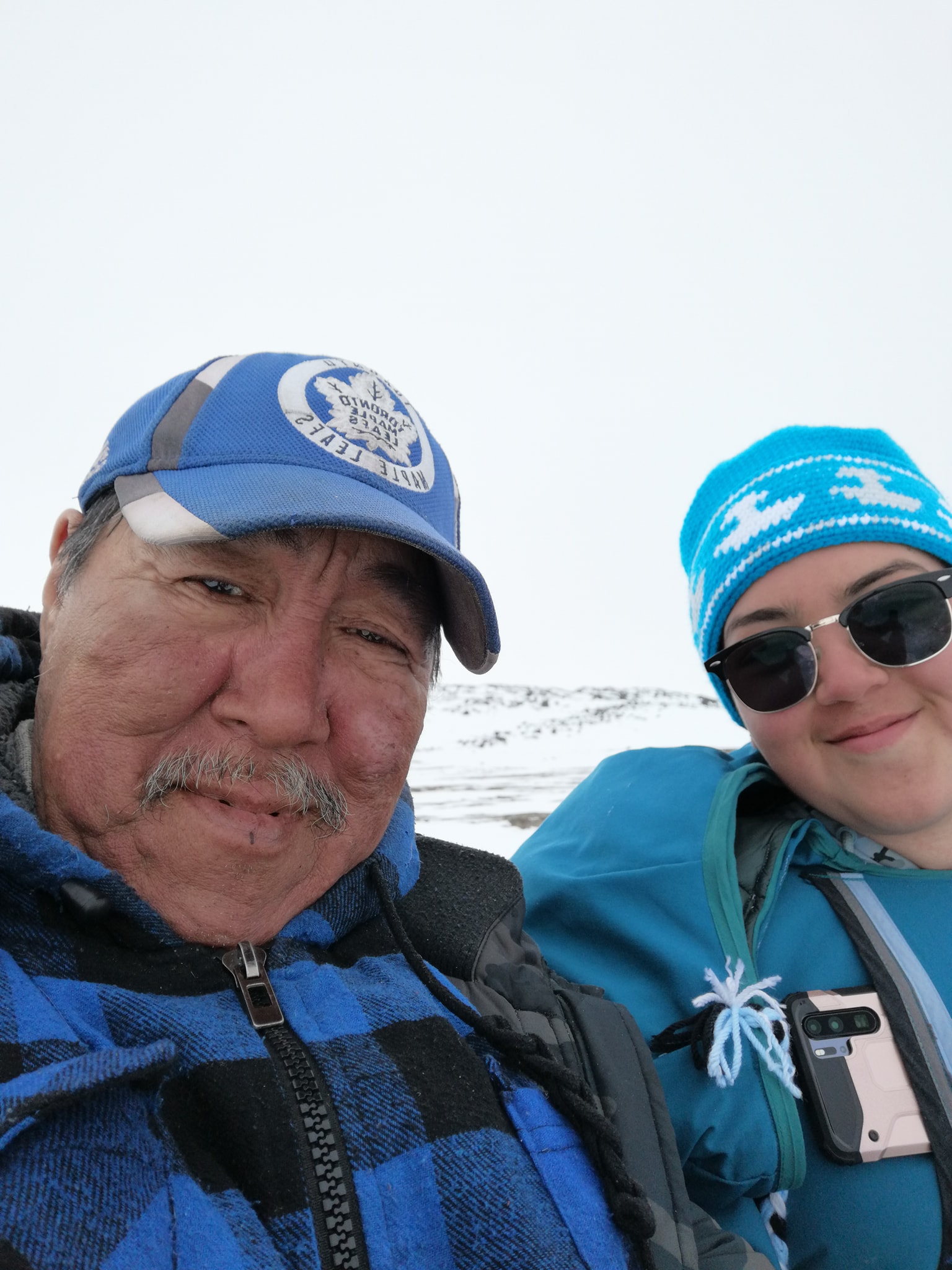
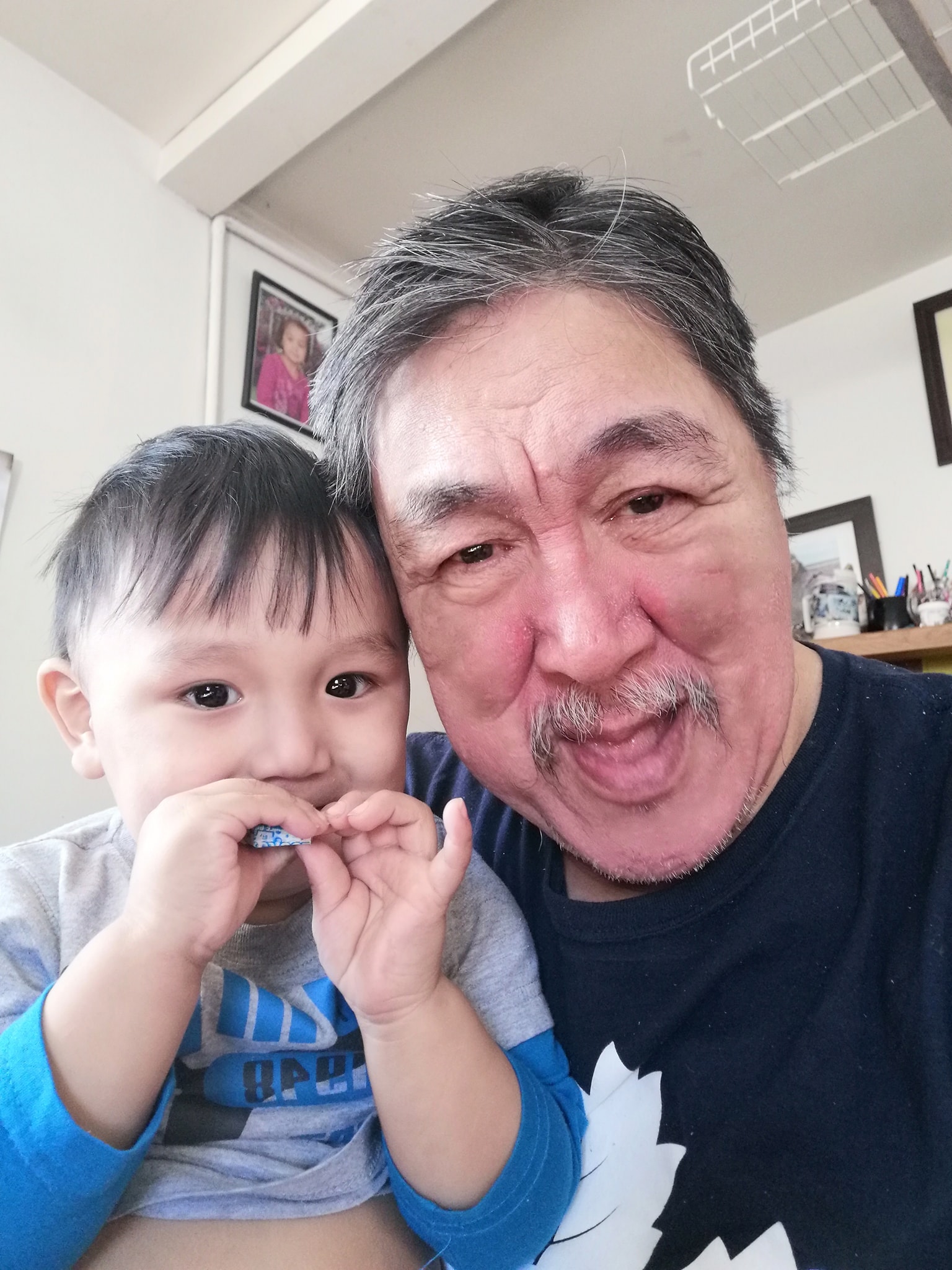
Enoki Irqittuq – Board Member, 1990s
Enoki Irqittuq served as a Qikiqtani Inuit Association (QIA) Board member for four years in the 1990s, before later becoming the MLA representing Amittuq. Reflecting on his time with QIA, he remembers a period of growth and challenge, as the organization was still young and building its foundation.
Enoki notes that much important work had already begun since QIA’s early days as the Baffin Region Inuit Association, leading to the creation of Qikiqtaaluk Corporation, QIA’s economic development arm, and Kakivak Association, focused on training, employment, and business support for Inuit.
He recalls that Board meetings—especially Annual General Meetings—always carried full agendas, with representatives from different levels of government and Inuit organizations invited to present and answer questions. At the time, QIA had limited policies, including for board conduct, and financial resources were not always easy to secure. Despite these challenges, Enoki says it was rewarding to represent Inuit and defend their rights and interests.
Enoki shares one memorable example of QIA being approached by the Kativik Government with a proposal to purchase First Air. The idea never moved forward, likely due to financial constraints at the time. Yet, he is proud that past boards laid a strong foundation that allows Inuit today to see the benefits of those early efforts.
He points to royalties from mining agreements, the growth of QIA’s programs, and a stronger role in advancing Inuit Qaujimajatuqangit as examples of how QIA continues to grow and adapt. Enoki emphasizes that Inuit culture and language must be protected, especially as more people from outside the region move in. He believes QIA has a critical role to play in ensuring that Inuit language and culture remain strong for future generations.
“I am very proud of the work QIA has done and continues to do so Inuit can benefit,” says Enoki. “The culture can’t be lost. Inuit must be diligent in keeping our language and traditions alive—and QIA is helping with that.”